Cykel AI.

Cykel AI is redefining how businesses leverage AI by creating autonomous agents that proactively assist users, helping automate their complex day-to-day tasks in the background.

The goal was to define the strategy, platform and roadmap, shifting Cykel AI from a traditional SaaS model to simple, agent led experiences.

Product Lead
Product Design
Product Roadmap
User Experience
Prompt Engineering

Concept

The development of Cykel AI began with a vision to simplify complex, repetitive tasks by seamlessly integrating AI agents into companies teams, to assist with existing workflows and processes. This required a design approach that prioritised clarity, usability, and a smooth user experience, making AI accessible even to those unfamiliar with its capabilities. The first agent Lucy, focused on recruitment, screening incoming CVs, and proactively sourcing prospects to keep a healthy candidate pipeline.
Behind the scenes, Lucy relied on complex models, data ingestion and multiple integrations. The design challenge was to present this as a focused experience that recruiters could trust and adopt without needing to understand how the system worked internally. Interfaces highlighted clear matches, rankings and suggested actions. This pattern of hiding technical sophistication behind simple, purposeful workflows became the foundation for later agents.

Eve & GTM AI

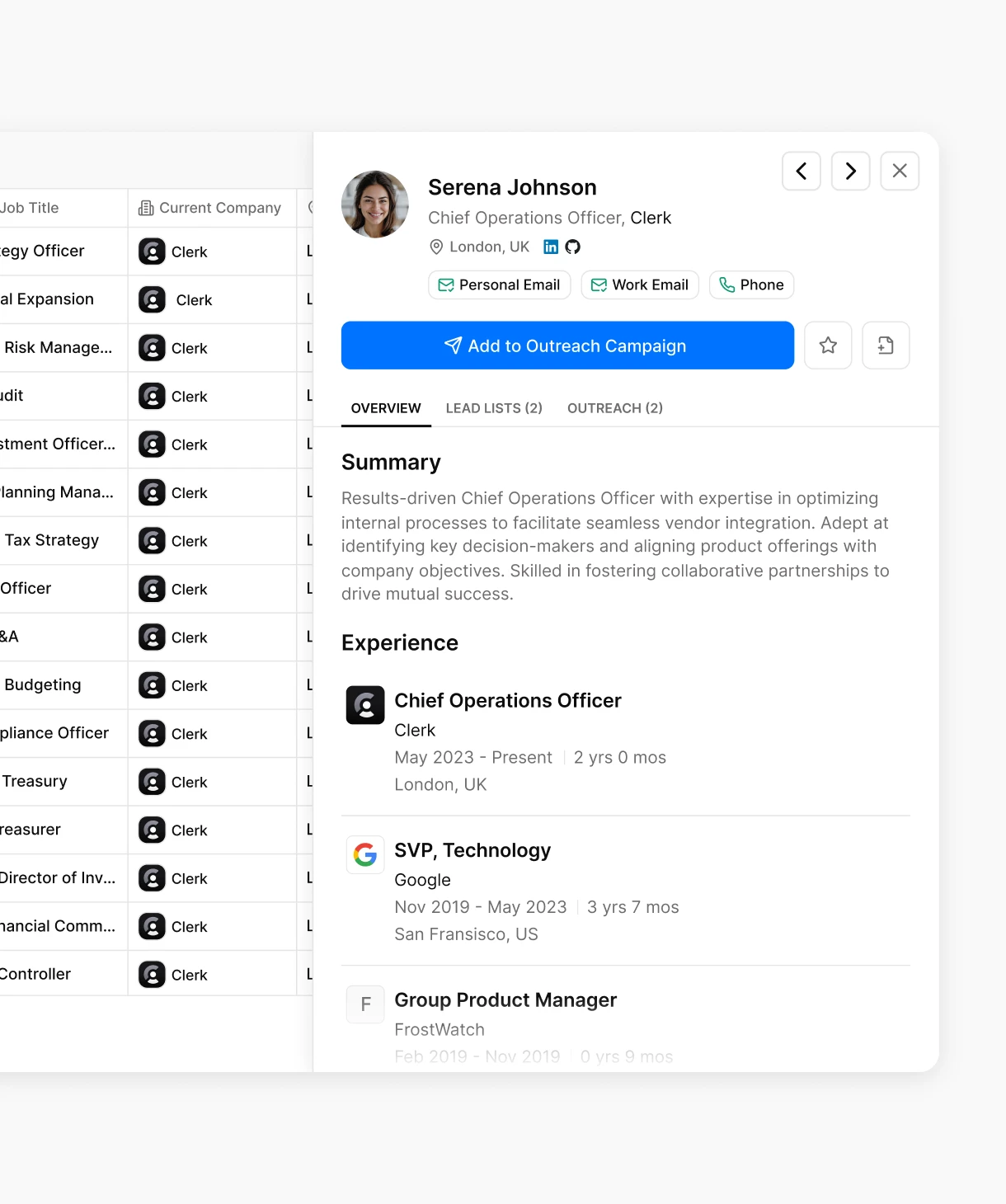
As the platform developed, attention turned to cykel’s sales agent, Eve. The original experience followed a familiar lead search pattern. Users chose filters such as job title or industry and scrolled through lists of potential leads. It quickly became clear this was not delivering on the promise of an intelligent agent. Users were unsure how to define the right segment, results felt generic and the process was slow. Feedback from customers showed that too much time was spent configuring searches rather than building high quality outreach.
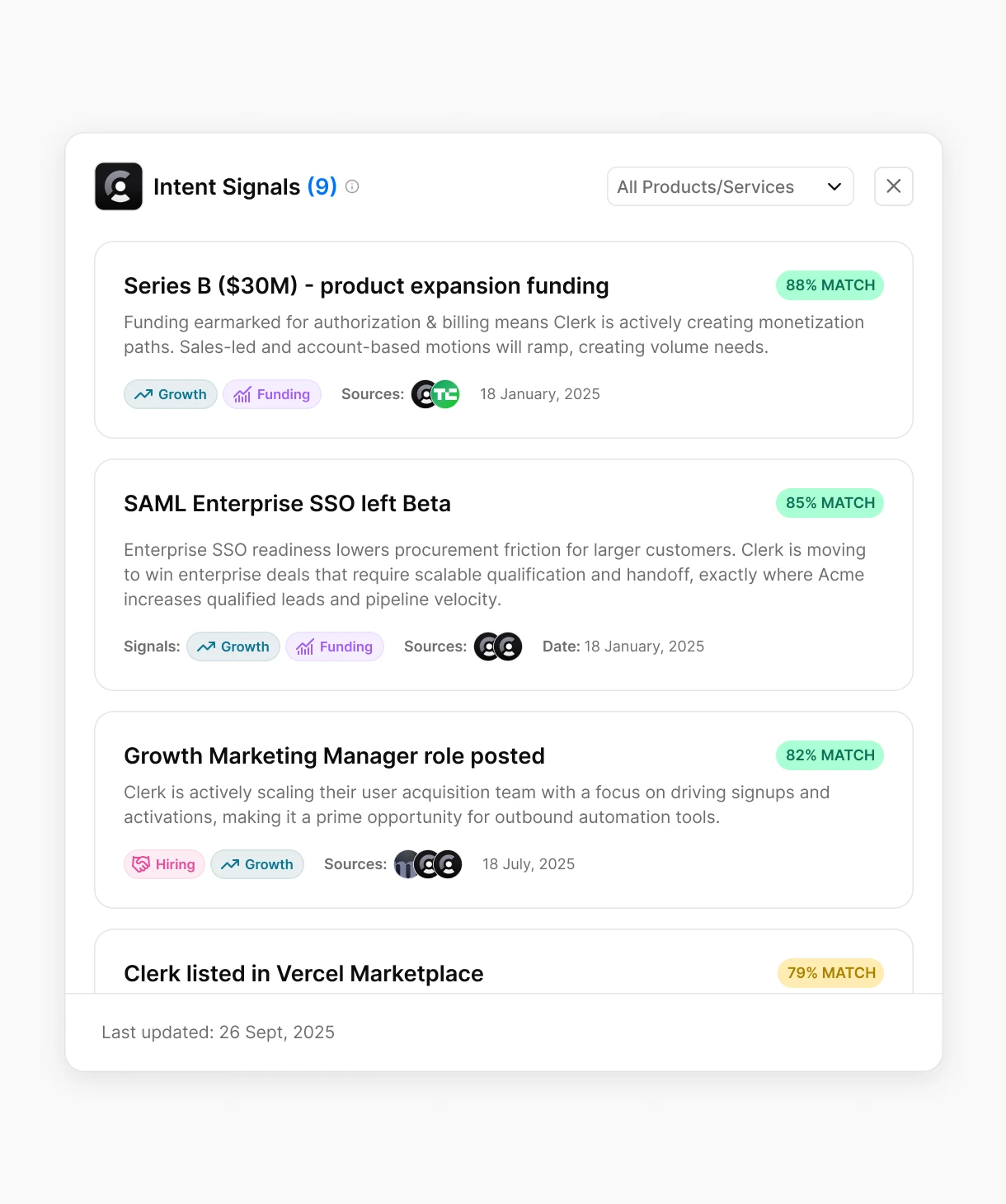
The journey was redesigned around "GTM AI" which shifted effort away from users and onto the agent. Instead of asking users to know exactly who they wanted to reach, onboarding began with a single, simple input: the company URL. From that, GTM AI researched website content, product pages, case studies, hiring signals and messaging, then inferred what the company sold, who it sold to and which problems it solved. These insights were structured into a go to market profile that described offerings, audiences and value propositions in a way users could easily digest and confirm, decreasing the time it takes to build qualified lead lists and increasing trust in the platform.

Scaling Cykel

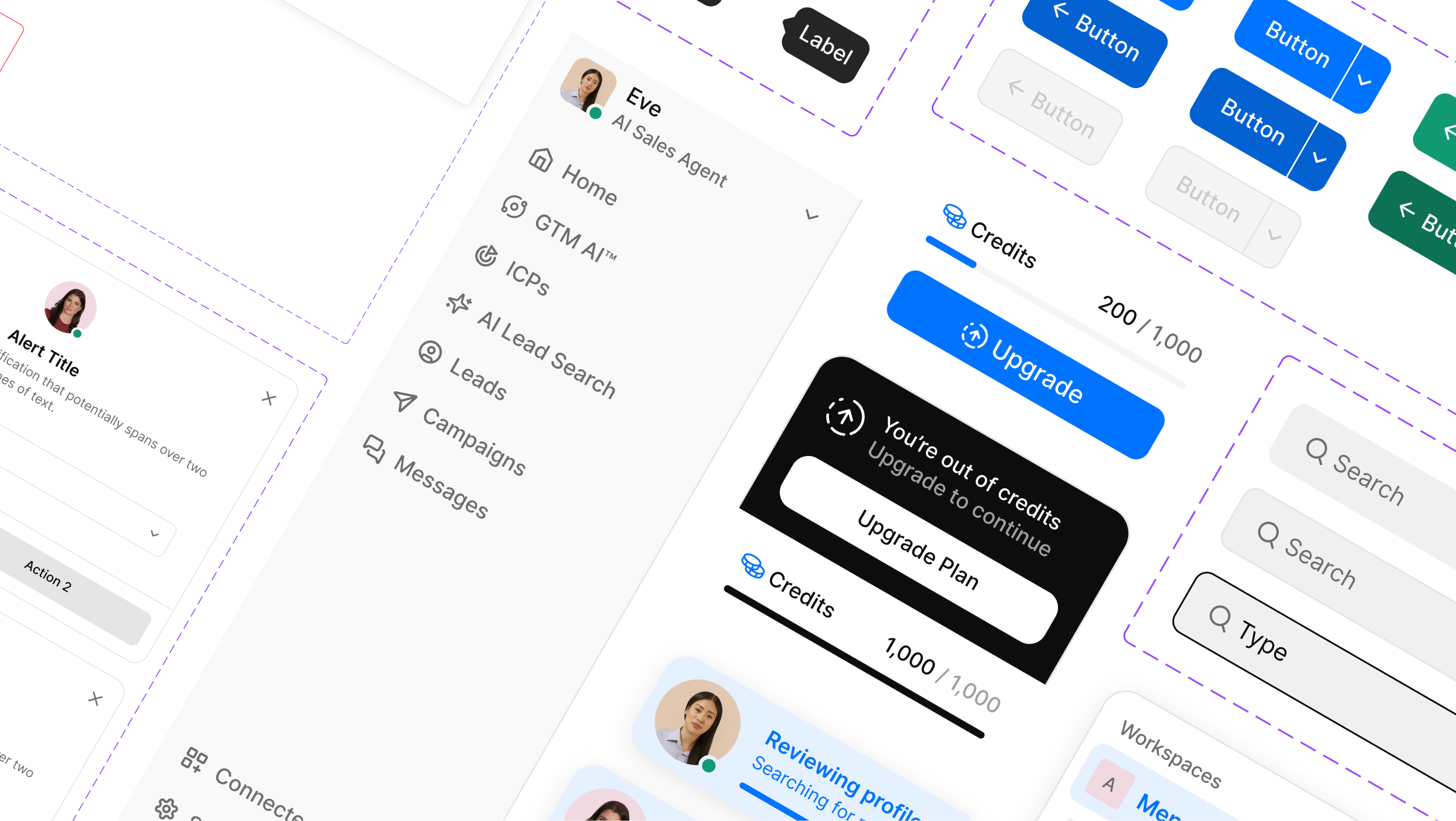
Alongside work on individual agents, there was a strong focus on how the platform could scale. The aim was to ensure that each new agent increased the platform's power without increasing perceived complexity for users. Information architecture and interaction patterns were designed in the UI3 design system so that multiple agents could coexist in a single coherent experience, with consistent ways of showing status, surfacing insights and asking for input.
The roadmap continues to be guided by feedback from customers and internal teams, prioritising features that reduce friction, shorten time to value and have clear commercial impact. As a result, technical sophistication is crowing steadily in the background while the surface experience remains focused, predictable and easy to navigate.

Post launch

results

Visit Cykel

85k+

tasks automated

400+

customers to date

14%

Increase in retention rate post GTM update